

Visual hierarchy and attention dynamics
Visual hierarchy and attention dynamics
Visual organization organizes components on a page to direct viewer perception. Designers organize components by significance to create clear interaction paths. Effective organization governs where eyes land first and how they move through material. Deliberate positioning of elements determines user experience quality. Strong hierarchy lessens cognitive load and boosts understanding speed. Users process data faster when designers apply migliori casino non aams consistent ranking frameworks. Appropriate organization divides primary messages from supplementary details. Clear visual arrangement enables viewers locate applicable data without uncertainty.
How users review and rank visual information
Users adhere to predictable sequences when examining digital layouts. Eye-tracking studies demonstrate that users scan pages in F-shaped or Z-shaped patterns. The top-left area gets attention first in most many. Viewers invest more time on bigger elements and bold typography. Bright colors and high contrast zones draw instant focus.
The mind processes visual data in milliseconds. Users form fast assessments about screen quality before reading text. Titles and visuals get preference over main text. Users search for known structures and familiar elements. The review process adheres to siti non aams established mental models from past encounters. Users ignore elements that blend into backdrops or lack contrast.
Focus spans remain short during digital interactions. People rarely read each word on a page. Instead, users hunt for keywords and pertinent terms. Goal-oriented visitors progress faster through material than casual browsers. Grasping these behaviors helps designers create effective layouts.
The importance of size, contrast, and placement in structure
Scale establishes instant significance in visual messaging. Larger components dominate tinier ones and grab focus first. Titles employ bigger typefaces than main content to communicate precedence. Designers resize images and controls according to their operational relevance.
Contrast separates components and establishes associations between elements. Deep content on pale backdrops guarantees legibility and attention. Color contrast highlights calls-to-action and important data. Strong contrast draws attention while weak contrast fades into backgrounds.
Placement establishes viewing order and information organization. Deliberate placement includes casino non aams several essential concepts:
- Upper locations receive more attention than bottom locations
- Left-aligned information receives scanned before right-aligned material
- Center locations perform well for core information and hero elements
- Corner positions fit secondary navigation and practical functions
Combining size, contrast, and location produces effective visual systems. These three elements function jointly to build coherent information structure. Designers harmonize all elements to eliminate ambiguity and sustain comprehension. Proper application guarantees users grasp content importance instantly.
How arrangement steers user focus step by step
Design creates pathways that steer viewer flow through material. Grid systems organize content into structured sections and rows. Designers use positioning to connect related elements and divide separate groups. Vertical designs facilitate scrolling while horizontal arrangements suggest sideways browsing.
Negative space serves as a guide for attention direction. Blank regions around important components boost their emphasis. Deliberate intervals between segments signal shifts and new topics. Adequate spacing permits eyes to rest between content sections.
Progressive structure governs the order of information intake. Main material displays before supplementary details in successful layouts. The layout follows migliori casino non aams natural scanning flows to minimize resistance. Visual weight distribution balances screens and stops unbalanced arrangements.
Responsive designs modify attention movement across different screen sizes. Mobile designs prioritize vertical layering over complex structures. Flexible systems sustain hierarchy regardless of viewport sizes.
Visual signals that guide attention and behavior
Arrows and directional forms direct users to important information. Symbols express meaning quicker than text alone. Underlines and outlines highlight important information for emphasis. Designers utilize visual cues to minimize confusion and direct choices.
Motion captures focus to dynamic elements and condition transitions. Delicate movement emphasizes clickable components without interference. Hover effects verify clickable areas before user action. Transitions provide confirmation and strengthen completed behaviors.
Typeface differences signal various content categories and importance. Bold content emphasizes essential expressions within sections. Hue shifts signal links and clickable possibilities. Intentional indicators reduce casinт online non aams cognitive work required for browsing. Visual cues create intuitive systems that appear effortless and reactive to user expectations.
The impact of hue and separation on perception
Color shapes emotional reaction and data organization. Warm colors like red and orange produce urgency and enthusiasm. Cold hues such as blue and green communicate serenity and confidence. Designers apply hues founded on brand identity and functional purpose. Stable hue system allows users spot structures swiftly.
Saturation and lightness affect component emphasis. Bold hues stand out against muted backgrounds. Muted shades retreat and support primary material. Intentional color decisions improve casino non aams user understanding and interaction metrics.
Spacing controls visual concentration and content organization. Narrow spacing joins associated components into cohesive blocks. Wide spacing divides separate segments and eliminates ambiguity. Proper padding boost clarity and minimize eye strain.
Closeness principles define perceived connections between objects. Components placed near together look associated in function or intent. Even arrangement of space generates cohesive compositions that guide attention organically.
How attention moves across different design components
Menu options get immediate attention during screen visits. Users review navigation items to grasp website layout and accessible choices. Core browsing generally anchors at the top or left edge. Distinct labels help users identify intended segments rapidly.
Hero graphics and headers control initial browsing instances. Prominent graphics express brand image and primary information immediately. Engaging imagery retains focus longer than text chunks. Successful hero areas harmonize visual appeal with content significance.
Call-to-action buttons capture attention through hue and positioning. Contrasting button hues isolate interactions from surrounding content. Scale and shape differentiate clickable components from unchanging text. Intentional positioning situates casinт online non aams conversion elements where users instinctively look after absorbing information.
Sidebars and supplementary content attract focus after main areas. Users glance at sidebar elements when seeking additional data. Footer components receive minimal focus unless users scroll fully through screens.
Common problems that disrupt visual organization
Designers regularly make errors that weaken effective visual messaging. Weak hierarchy bewilders users and reduces engagement. Recognizing these errors allows groups avoid casino non aams frequent pitfalls and improve interface standard.
Common organization challenges include:
- Employing too numerous font scales produces visual disorder and conflicting communication
- Giving uniform importance to all components hinders priority detection
- Cramming screens with content destroys white room and clarity
- Choosing low contrast choices decreases legibility and accessibility
- Putting critical data below the fold obscures essential information
- Neglecting alignment produces messy designs that appear amateurish
Variable styling throughout pages violates user expectations and mental patterns. Haphazard color application obscures functional associations between elements. Excessive ornamentation distracts from core messages and primary actions.
Resolving structure problems necessitates methodical examination and evaluation. Designers should develop defined design standards and element libraries. Routine audits spot inconsistencies before they accumulate.
Balancing weight and clarity in layout
Successful design demands equilibrium between accentuating important components and maintaining general legibility. Too much weight produces visual chaos that swamps users. Too minimal weight generates plain designs where nothing stands forth.
Selective emphasis guides focus without creating interference. Limiting heavy elements to critical headings maintains their power. Applying color moderately ensures emphasized items attract adequate focus. Intentional moderation creates accented content more powerful.
Legibility hinges on consistent implementation of layout principles. Uniform spacing creates reliable structures users are able to track easily. Obvious visual communication decreases casinт online non aams processing duration and cognitive burden.
Testing reveals whether weight and comprehension reach correct balance. User input pinpoints ambiguous or missed elements. Data display where attention really settles versus designer expectations.
Successful designs communicate importance without losing understanding. Every highlighted element should fulfill a particular role.
How evaluation enables refine attention direction
User testing shows how actual individuals work with visual structures. Eye-tracking research reveal specific looking behaviors and fixation locations. Heat maps display which zones capture the most attention. Click monitoring reveals where users assume clickable components. These discoveries reveal gaps between layout expectations and actual actions.
A/B testing evaluates distinct hierarchy strategies to gauge success. Designers test alternatives in scale, color, and positioning concurrently. Conversion metrics reveal which arrangements direct users toward desired behaviors. Analytics-driven choices replace subjective choices and assumptions.
Usability evaluation reveals ambiguity and navigation challenges. Participants verbalize their thinking processes while executing assignments. Evaluation sessions identify migliori casino non aams components that require increased emphasis or repositioning. Input cycles facilitate constant improvement of attention flow.
Iterative experimentation refines organizations over time. Tiny adjustments build up into substantial gains. Periodic testing guarantees interfaces stay successful as content evolves.


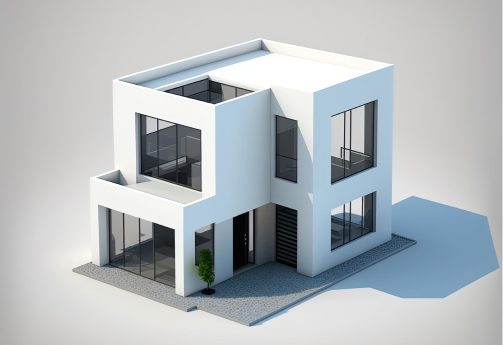


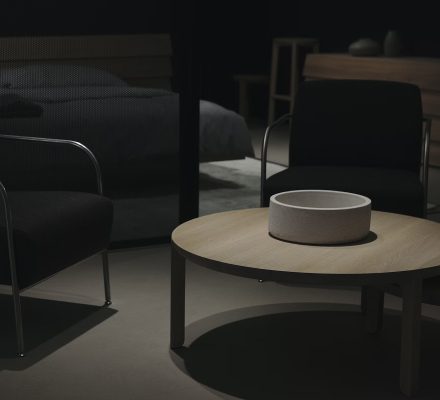
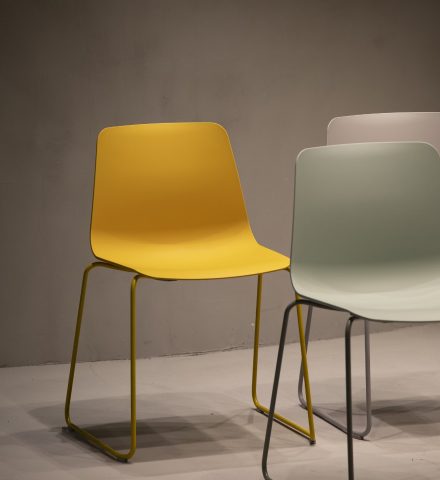



- We are a collective vision driven by the passion to transform living experiences. Founded by a group of friends with diverse expertise, EVMBOX brings together Eyedeal Living, Various Glass, Metastar, and Smartbox under one roof.
- EVMBOX Quartret 108, Near Angan Party Plot Rajpath Rangoli Road, Ambli Ahmedabad, Gujarat 380058
- (909) 999-0505
- hello@evmbox.com
-
Plot No. 160,
Surya Kunj
Najafgarh New Delhi,
Delhi,110072 - (909) 999-0505
- hello@evmbox.com
- Eyedeal Living
- Various Glass
- Metastar
- Smartbox